- Call +91 95784 00900
- info@dracademyindia.com
- Mon - Sat: 09.00am - 06.00 pm



100%
Admission SupportMBBS Admission Process in India 2026
Admission to MBBS in India is a very competitive process, and any single error in NEET registration or counseling will influence your chances of admission. Each year, lakhs of students compete for limited medical seats across India. In recent years, more than 24 lakh students have appeared for NEET-UG, competing for approximately 1.18 lakh MBBS seats nationwide. In the absence of clear instructions, it may be too intimidating for students and parents.
At Dr. Academy, we help students understand the MBBS admission process more clearly with our reliable NEET Counselling Guidance on admissions, quota clarifications, and step-by-step guidance for NEET-UG students. It can be your first attempt, you want to repeat NEET, or you are looking into the possibilities of the private and NRI quotas, but do not know how to pass all the stages, and our team is going to show you how this can be done.
About MBBS Course
The undergraduate medical degree in India is known as Bachelor of Medicine and Bachelor of Surgery (MBBS), which is needed to qualify as a licensed doctor. The course is dedicated to theoretical medical education, practical clinical training, patient care, diagnostic skills, basic surgical principles, and hospital exposure. As students acquire the clinical competencies required in actual health care settings, they learn various medical topics.
In India, admission to MBBS is governed by the National Medical Commission (NMC). Every accredited medical university has a well-organized program, which incorporates classroom education, lab training, hospital placements, and internships.

Course Structure and Duration
The total duration of MBBS in India is 5.5 years, which includes:
| MBBS Component | Duration |
|---|---|
| Academic Study | 4.5 Years |
| CRMI Internship | 1 Year |
| Total Duration | 5.5 Years |
The final one-year internship is called CRMI (Compulsory Rotating Medical Internship). During this phase, students work in different hospital departments under supervision to gain practical experience.
Subjects Included in MBBS
MBBS curriculum generally includes:
- Anatomy
- Physiology
- Biochemistry
- Pathology
- Pharmacology
- Microbiology
- Community Medicine
- General Medicine
- General Surgery
- Pediatrics
- Orthopedics
- Obstetrics and Gynecology

Career Opportunities After MBBS
After completing MBBS, students can:
- Practice medicine after registration
- Prepare for postgraduate medical entrance exams
- Appear for NExT
- Pursue MD/MS specializations
- Explore international medical licensing pathways
MBBS Eligibility Criteria 2026
Understanding eligibility before applying is extremely important because even small documentation or qualification errors can create problems during counselling and admission verification stages.
Academic Requirements (PCB Subjects)
Students must complete Class 12 or equivalent education with: Physics, Chemistry, Biology/Biotechnology, and English as a compulsory subject.
Minimum Marks by Category
| Category | Minimum PCB Marks Required |
|---|---|
| General | 50% |
| General PwD | 45% |
| SC/ST/OBC | 40% |
Age Requirement
- Candidate must be 17 years of age on or before 31 December 2026
- There is currently no upper age limit for NEET 2026
Nationality Criteria
The following candidates are eligible, subject to applicable regulations: Indian Citizens, NRIs, OCIs, PIOs, Foreign Nationals.
Important Eligibility Notes
- MBBS admission in India is based only on NEET-UG scores
- Students must qualify NEET Cutoff 2026 criteria
- Eligibility may vary slightly for certain institutions and state counselling authorities
- Original documents are mandatory during admission reporting
NEET-UG and Medical Admissions
The only national medical entrance test in India to MBBS is National Eligibility cum Entrance Test - Undergraduate or NEET-UG. The National Testing Agency (NTA) conducts the exam, which is obligatory in order to be admitted to government, private, deemed, central and AIIMS medical institutions.
Students are not allowed to gain admission to MBBS in India without qualifying NEET-UG using the regular counselling systems. This renders preparation planning, accuracy of application and counselling planning to be equally significant.
NEET 2026 Exam Pattern
| Section | Questions |
|---|---|
| Physics | 45 |
| Chemistry | 45 |
| Biology | 90 |
| Total Questions | 180 |
| Total Marks | 720 |
Marking Scheme
- +4 marks for every correct answer
- -1 mark for every incorrect answer
- 0 marks for unanswered questions
Syllabus Overview
NEET syllabus is mainly based on Class 11 NCERT and Class 12 NCERT. Major subjects include: Human Physiology, Genetics, Organic Chemistry, Thermodynamics, Ecology, Modern Physics.
Important Dates for NEET 2026 (Expected timeline)
| Event | Tentative Timeline |
|---|---|
| NEET Application Form | January 2026 |
| Correction Window | February 2026 |
| Admit Card Release | April 2026 |
| NEET Exam | May 2026 |
| Result Declaration | June 2026 |
| Counselling Begins | July 2026 |
Students who understand counselling rules early often make smarter college choices during seat allotment rounds.
Step-by-Step Process in applying for MBBS
The MBBS admission process consists of several phases, such as registration of exams, analysis of exams, counselling, verification of documents, and final reporting. Missing deadlines or poor college decisions can lead to fewer chances of being admitted, regardless of the good NEET score. Here are the important steps involved in the medical admission process:
Step 1: Register for NEET-UG
The online application process must be completed by students in accordance with NTA and official deadlines. The information provided, such as the personal information, educational background, identity documents and uploaded files, should be true.
Key points: Use valid email and mobile number, Upload correct photograph and signatures, Verify category and eligibility carefully.
Step 2: Appear for the Exam
NEET-UG is taken at designated examination centers by the candidates. Good preparation, time management, and negative marking knowledge are significant to final marks and ranking.
Students are to pay attention to: NCERT-based preparation, Mock test practice, Revision strategy.
Step 3: Check Results and Cutoffs
After results are declared, students receive: NEET score, All India Rank, Category rank, Percentile.
Admission chances depend on: Category, State domicile, Seat availability, Counselling strategy.
Step 4: Register for MCC Counselling
Students eligible for AIQ and central institutions must register through the MCC Counselling on Committee portal.
MCC Counselling handles: 15% AIQ seats, Deemed universities, Central universities, AIIMS admissions.
Step 5: Choice Filling and Locking
Counselling takes place as students choose preferred colleges and courses. This phase is very crucial since improper ranking of preferences may influence the results of the allotment.
Important considerations: Previous cutoff trends, Budget planning, Location preference.
Step 6: Seat Allotment and Reporting
Allotment results are announced based on NEET rank, reservation guidelines, and availability of seat. The student then reports to the assigned colleges with original documents and payments of fees.
Typically, required documents consist of: NEET scorecard, Admit card, Class 10 and 12 certificates, Identity proof, Passport photos, Category certificate if applicable.
MBBS Counseling: AIQ vs State Quota vs NRI/Management Quota
MCC conducts counselling for 15% All India Quota seats, while state authorities manage the remaining 85% state quota seats. Knowledge of AIQ, State Quota, NRI Quota, and Management Quota will assist students in making better application decisions and in not missing significant counseling opportunities.
| Counselling Type | Meaning | Conducted By |
|---|---|---|
| AIQ (All India Quota) | 15% government seats across India | MCC |
| State Quota | 85% state government seats | State Authorities |
| NRI Quota | Reserved seats for eligible NRI-sponsored candidates | Respective Colleges/Authorities |
| Management Quota | Private college seats with separate fee structures | Private Institutions/State Authorities |
What is the All India Quota (AIQ)?
All India Quota gives students from one state the opportunity to compete in other states for admission to government colleges. Get All India Quota Counselling with Dr. Academy.
How State Quota Counselling Works
State Quota is mostly the reserve of domicile students of a given state and managed by the respective state counseling authorities.
NRI and Management Quota Seats — Who Qualifies?
The NRI Quota is offered to qualified NRI-sponsored applicants who are required to provide documentation. The provision of management quota seats is mainly for higher-fee private medical colleges.
Top Government and Private Medical Colleges in India
Rankings are not the only factor when selecting the Best MBBS Colleges in India. Such aspects as hospital exposure, the quality of internship, faculty, infrastructure, patient flow, affordability, and postgraduate opportunities are also important when planning MBBS.
Government Medical Colleges
- All India Institute of Medical Sciences (AIIMS): AIIMS institutions are among the most competitive in India, with advanced infrastructure, strong academic systems, and high patient exposure.
- Jawaharlal Institute of Postgraduate Medical Education and Research (JIPMER): JIPMER is known for excellent clinical training, research opportunities, and strong academic standards for MBBS students.
- Maulana Azad Medical College (MAMC): MAMC offers highly affordable medical education with strong clinical exposure through associated government hospitals.
- King George’s Medical University (KGMU): KGMU remains a preferred choice for students seeking quality education, experienced faculty, and extensive patient interaction.
Private Medical Colleges
- Christian Medical College (CMC) Vellore: CMC Vellore is widely respected for clinical excellence, disciplined academic culture, and strong healthcare training systems.
- Kasturba Medical College (KMC): KMC Manipal offers advanced infrastructure, international exposure, and modern learning facilities for MBBS students.
- DY Patil Medical College: This institution attracts students looking for strong private medical education facilities and modern campus infrastructure.
- SRM Medical College Hospital and Research Centre: SRM Medical College provides extensive academic support, hospital training, and research-oriented learning opportunities.
MBBS Fees: Government vs Private Colleges
MBBS fees in India vary significantly depending on the type of institution, the quota system, state policies, and the college's reputation. Early knowledge of fee structures assists students and parents in making real counseling decisions.
| College Type | Approx Annual Fees |
|---|---|
| Government Medical Colleges | ₹10,000 – ₹2,00,000 |
| Semi-Government Colleges | ₹3,00,000 – ₹8,00,000 |
| Private Medical Colleges | ₹10,00,000 – ₹25,00,000 |
| NRI Quota Seats | ₹25,00,000 – ₹60,00,000+ |
Common Mistakes Students Make During MBBS Admissions
A lot of students who deserve so much are deprived of good opportunities due to some counseling errors, lack of full information, or due to a sudden rush. With adequate planning and professional assistance, these risks can be greatly minimized.
- Ignoring Counselling Deadlines: Late registration, or choice locking, or failure to meet reporting deadlines can automatically cause immediate withdrawal of students of active counseling rounds.
- Filling Incorrect College Preferences: Unfavorable choice order usually impacts allotment results and diminishes opportunities to get superior colleges.
- Not Understanding Quota Eligibility: There are still a lot of questions that are not answered by many students: AIQ, domicile regulations, NRI eligibility, and management quota.
- Poor Document Preparation: Lack of certificates, wrong category documents, or discrepancies in details cause problems in admission during verification.
- Depending Only on Predicted Cutoffs: Students are not always realistic in their counseling strategies and use only the assumptions of social media or unofficial predictions of cutoffs.
- Delaying Expert Guidance: Late counseling services usually restrict the options and produce needless stress in the important admission processes.
How We Help You Secure Your MBBS Seat
At Dr. Academy, we realize that MBBS admission does not merely consist of marks. It is concerned with right decisions at the right moment with the right counseling strategy, correct guidance, and full admission support in the whole process.
Personalized Admission Guidance
We assist learners to know their realistic chances of admission according to NEET scores, category, budget, and their preferences for states.
Complete Counselling Support
Our team guides students through: MCC counselling, State counselling, Private college admissions, NRI quota procedures.
College Selection Strategy
We help shortlist suitable colleges based on: Budget, Infrastructure, Clinical exposure, Cutoff trends, Long-term career goals.
Documentation Assistance
Our experts help students prepare and verify essential admission documents to reduce errors during reporting.
NEET Rank-Based Planning
We provide structured counseling insights according to: Rank range, Quota eligibility, Seat availability, Previous trends.
Support for Repeaters
Repeat aspirants receive focused guidance to improve counseling decisions and explore wider admission possibilities.
Parent Guidance and Clarity
We simplify the admission process for parents who may feel overwhelmed by counselling rules and fee structures.
End-to-End Admission Assistance
From NEET application to final reporting, our counseling team stays connected throughout every important stage of the MBBS admission journey.
Applying for MBBS made Easy with Dr Academy
Getting into medical college, but not sure where to start? Our team of counsellor is here to assist you in helping to take every step toward your MBBS dream at Dr. Academy. Contact us today for expert counseling support with NEET admissions, college selection, counseling rounds, documentation, and a seamless admission process.
Frequently Asked Questions (FAQ)
- NEET admit card
- NEET scorecard
- Class 10 certificate
- Class 12 marksheet
- Identity proof
- Passport photographs
- Category certificate, if applicable
- Domicile certificate where required
Start Your MBBS Journey with Confidence
Let Doctors Academy India navigate MBBS admissions for you. From understanding cutoffs and quotas to securing your seat in a top medical college, we're with you throughout. Unlock your medical career potential today, choose Doctors Academy for reliable MBBS admission guidance that delivers results.
Apply NowMBBS Colleges and Fee Structure





TOP COLLEGES
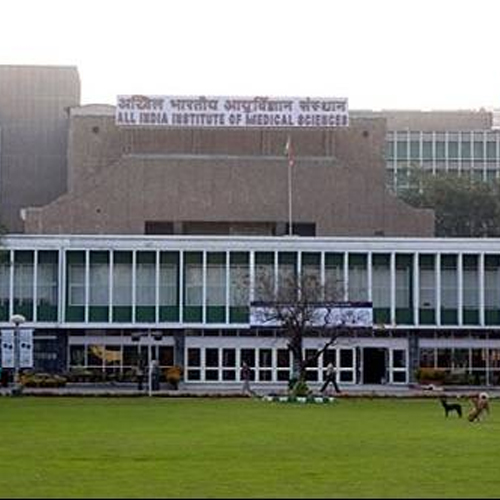
All India Institute of Medical Sciences - [AIIMS], New Delhi
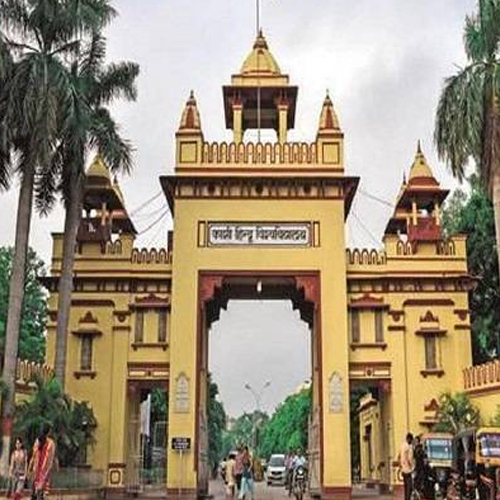
Banaras Hindu University - [BHU], Varanasi

Jawaharlal Institute of Post Graduate Medical Education and Research - [JIPMER], Pondicherry

St John's Medical College, Bangalore
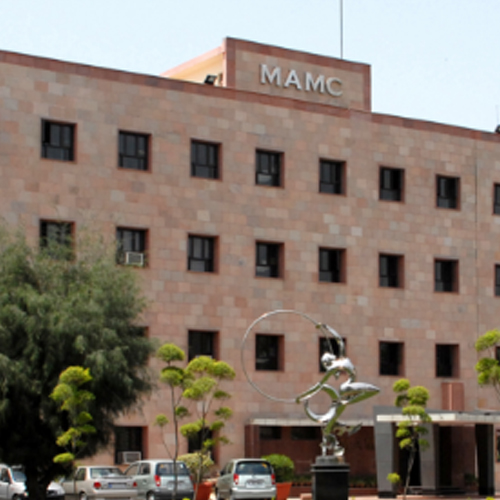
Maulana Azad Medical College - [MAMC], New Delhi

Kasturba Medical College - [KMC], Mangalore
Dr Academy India offers complete admission guidance services across India for students planning careers in medicine, dental education, ayurveda, homeopathy, nursing, engineering, and allied health sciences.
