



MBBS Tips: A Practical Guide for NEET Aspirants and Medical Students
Getting into MBBS is hard. Surviving and excelling once you’re in is a different kind of challenge altogether. Whether you’re still preparing for NEET-UG, waiting through counselling rounds, or already sitting in your first-year anatomy class, having the right strategy at each stage makes a real difference.
This guide breaks down practical MBBS tips across three phases: before admission, during counselling, and once you’re actually in medical college.
MBBS Tips Before Admission: NEET Preparation
1. Build Your Foundation on NCERT First
NEET-UG draws the bulk of its questions directly or indirectly from NCERT textbooks (Class 11 and 12). Before jumping into reference books or coaching material, master NCERT Biology, Physics, and Chemistry line by line. Most toppers revisit NCERT multiple times rather than treating it as a one-time read.
2. Prioritize Biology — It’s Half Your Score
With 90 questions worth 360 marks, Biology alone makes up half of NEET’s total marks. Strengthening Biology first gives you the best return on study time, especially topics like Genetics, Human Physiology, and Ecology, which are heavily and consistently tested.
3. Practice Negative Marking Discipline
NEET penalizes wrong answers (-1 mark), so blind guessing can hurt more than help. Practice mock tests specifically to build judgment on when to attempt a question and when to skip it—this decision-making skill matters as much as content knowledge.
4. Take Full-Length Mock Tests Regularly
Simulating the real 3-hour, 180-question exam under timed conditions builds stamina and exposes weak areas early. Review every mock test thoroughly—understanding why you got a question wrong matters more than the score itself.
5. Revise, Don’t Just Study New Content
In the final months before NEET, shift from learning new topics to structured revision. Spaced repetition of already-covered material tends to improve recall far more than cramming new chapters at the last minute.
MBBS Tips During Counselling
6. Don’t Rely on Unofficial Cutoff Predictions
Social media and coaching institutes often circulate “predicted cutoffs” that can be misleading. Base your choice-filling strategy on official previous-year cutoff data from MCC and state counselling authorities, not viral WhatsApp forwards.
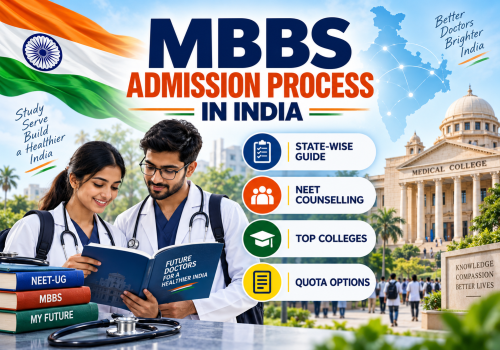
7. Understand Your Quota Options Fully
Before filling choices, know exactly which quotas you’re eligible for—All India Quota, state quota, NRI quota, or management quota. Missing an eligible option because you didn’t understand the rules is one of the most common and avoidable mistakes students make.
8. Fill More Choices Than You Think You Need
Many students fill only a handful of “dream” colleges and end up with no allotment in early rounds. Filling a longer, well-researched list—including realistic backup options—keeps you active in the process and improves your odds across rounds.
9. Track Every Deadline Personally
Don’t assume someone else—a coaching centre or relative—is tracking your reporting and document deadlines. A single missed deadline can cost you a seat regardless of your rank. Keep a personal calendar of every counselling milestone.
10. Get Documentation Right the First Time
Keep your NEET admit card, scorecard, Class 10 and 12 certificates, ID proof, passport photos, and category or domicile certificates organized and verified well before reporting. Document mismatches are a leading cause of last-minute admission problems.
MBBS Tips for Medical College Life
11. Build a Study Routine From Day One
MBBS coursework is dense—Anatomy, Physiology, and Biochemistry all demand consistent daily study rather than exam-time cramming. Establishing a routine in the first few weeks pays off across all 5.5 years.
12. Use Active Recall and Diagrams
Subjects like Anatomy reward visual learning. Draw structures repeatedly, label them from memory, and test yourself actively rather than passively rereading notes.
13. Don’t Skip Clinical Exposure Opportunities
Ward rounds, hospital postings, and case discussions teach skills no textbook can. Engaging actively during clinical postings—asking questions and observing procedures—builds the practical competence that matters most in your career.
14. Balance Academics With Rest
Medical-school burnout is real. Long-term consistency beats short bursts of unsustainable effort. Build in deliberate rest, and don’t treat sleep or breaks as optional luxuries during a demanding course.
15. Start Thinking About PG Early—But Not Too Early
NEET-PG and NExT preparation benefit from early conceptual clarity built during MBBS itself, especially in core subjects. You don’t need to start PG coaching in the first year, but building strong fundamentals throughout MBBS makes postgraduate preparation far smoother later.
Getting Guidance at Every Stage
From NEET preparation strategy to counselling decisions and college selection, having experienced guidance can prevent avoidable mistakes at each step.
Teams like Dr. Academy India work with students throughout the entire journey—NEET counselling, quota eligibility, documentation, and college shortlisting—so students can focus on preparation and performance instead of navigating bureaucracy alone.